Category: Articles

  • College Students Seeking Debt Relief

    College Students Seeking Debt Relief

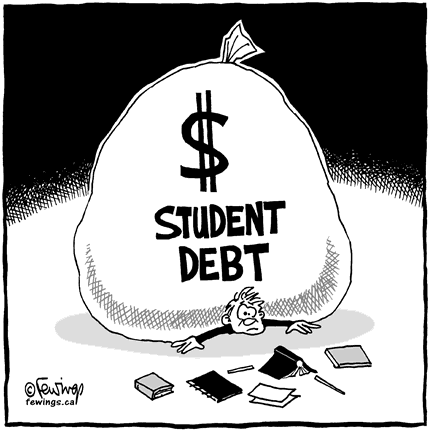
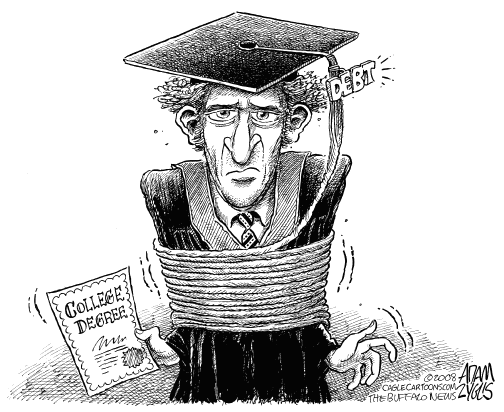
    Do you have a kid getting ready for college or already enrolled? Well then, class is in session. Sit down, face forward and pay attention… Today’s average college student is going to graduate with a loan debt of $25,250; that’s up a stunning 5% from last year and will cause many to seek debt relief in the future. This shocking trend is only gaining momentum with reports indicating that roughly two thirds of the class of 2010 had to borrow to cover their college expenses.

    Headlines were recently made across the country as government, banking and private sources all concurred that America’s student loan debt now weighs the country’s credit card debt. When we view these debt figures alongside our country’s unemployment rate, it would seem that graduates are going to have a tough time finding the right job that will allow them to tackle their student debt.

    Mark Kanrowitz, of FinAid.org told USA Today, “Students who borrow too much end up delaying life-cycle events such as buying a car, buying a home, getting married (and) having children.”

    This increase in student loan debt has caused the newly created Consumer Financial Protection Bureau to take notice and start asking for public feedback regarding issues borrowers may be having with private student loans. This feedback will be used to create a report to Congress about private student lending due in July 2012.

    In a recent article by Business Week, Raj Date, an official with CFPB, stated that the private student loan market is one of the least understood in the consumer credit market. Date was quoted as saying, “Shedding light on this industry will benefit students, lenders, and the market as a whole.”

    It is important to note that Private Student loans issued by banks do not come with the same guaranteed protections as U.S. Department of Education issued loans and these bank loans tend to have higher, variable interest rates.

  • Purpose Driven Debt

    Purpose Driven Debt

    Purpose Driven Debt

    We are all aware that America’s appetite for too much personal debt ran our economy into the ground recently. Since the great banking collapse of 2008 we have been bombarded with the message that taking on any type of debt is a downright bad idea. In fact, the very four letter word, D-E-B-T, now carries a stigma that stinks like rotten eggs. But as with any cycle of mainstream culture, our views towards debt may have deviated well past a fair trial. In fact, given the awful reputation that personal debt has these days, the jury is out on whether it could actually be an undervalued asset worthy of a second chance.

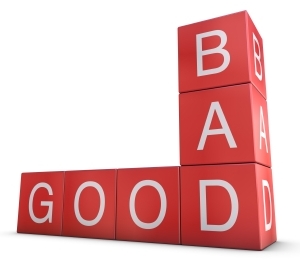
    While taking on too much personal debt is generally considered toxic towards our financial well being, there are many cases where taking on debt is useful, sensible and can even be very rewarding. This blog challenges some of these negative preconceived notions towards debt and presents some positive reasoning behind spending decisions that help clarify the gray line between “Good Debt” and “Bad Debt.”

    Debt may be considered good and beneficial when its use has the right motivational drivers behind it. Debt with a good purpose can help a small business grow and earn more money, it can improve a family’s quality of life or health, or it can secure one’s education or professional vocational skills. Debt is bad and strenuous when it has no constructive purpose. Bad debt is generally taken on for short-term gratification, carries little opportunity for gaining value in the long run, and often comes with ugly terms. Being able to differentiate between purpose driven debt and gratification driven debt is key to using debt as a tool for success, rather than falling through the trap doors.

    Regardless of what type of spending we do, most of us will come to a crossroads where we decide whether a purchase is worth the obligation to pay it back. The more rational side of us will ask, “Do I really need this”, and “is it really worthwhile?” and the more gratification driven side of us, might conclude, “I deserve this” or “It shouldn’t take me that long to pay off.” The following are specific drivers of debt that have a good motivation and honorable purpose, often aiming to enrich one’s overall circumstances or quality of life:

    Family and the Hearth

    Investing in the foundation and future of your family’s well being is a wonderful purpose for considering debt, as long as the terms of the loan are stable and well within budgeted means. One of the first major purchases a married couple makes together is investing in a home for their growing family, where a mortgage is often obtained to secure the property. Another big purchase families make together is a family car to transport children to and from school and activities. Accessing an auto loan to buy a reliable and safe vehicle can greatly improve convenience and mobility for the family.

    Career and Your Business

    Your business or job is one of your major sources of income, thus it is important that you invest money into maintaining it and growing it when possible. Taking out a loan to start or expand a business with the intention that you will be making more money than you will be paying for the loan is an example of debt driven by a sensible purpose. Sophisticated companies are constantly borrowing to grow and make strategic investments. These same principles apply to individuals and entrepreneurs with the experience and know-how to advance their careers and businesses.

    Education and Learning

    Most people take out a student loan to finance their college tuition. A higher education degree should result in more career opportunities and a higher income level down the road. Purchasing tickets to a conference to educate oneself on a certain topic or borrowing to enroll in a vocational training course are examples of debts that are used to help secure one’s professional standing and income. Also, investing in your child’s education and hobbies is another example of purpose driven debt with long lasting benefits.

    Protection and Security

    Insurance is a great example of a product that provides different types of protection and is generally financed to some degree. Different types of insurance plans provide protection for one’s family, income, car, life, and home. We often have the option of laying down a big up-front premium payment to cover such protection for multiple months or years in advance. Choosing the full premium payment is simply not realistic for many families, and so taking on a monthly payment obligation to support these protective products just makes sense, as long as the terms are reasonable.

    Health and Wellness

    One of the most important things to consider is your health and wellness. Gym memberships improve your quality of life. When people work out they feel good, they are more productive at work, and exercise may even improve their personal relationships. Also, taking on debt for medical solutions, such as a vital treatment for a loved ones health, is priceless. You can’t place a dollar sign on someone’s health or life!

    Although this blog is meant to change your perspective on the dreaded four letter word D-E-B-T, its intention is not to encourage readers to falsely justify frivolous spending. Unless you have a large bank account with a lot of C-A-S-H you need to consider the motivations and drivers behind each purchase. The key message here is to remember that whether we are making short term or long term spending decisions, we need to evaluate the purpose behind the particular purchase we are making, and examine the future benefits of the bounty.

    So, whether you are at the check out counter ready to whip out your credit card to purchase that new pair of leather shoes or you are at the bank ready to sign on that dotted line to purchase a new home, remember to ask yourself these questions, “What am I trying to accomplish by bringing on this debt?” “What purpose am I trying to achieve over the short term or long term with this debt?” and “Are the terms of the debt I am taking on sensible and conducive to enriching my overall financial plan?”

  • Surprise! 1 percenters have credit card debt, too

    Surprise! 1 percenters have credit card debt, too

    Income isn’t the only thing that separates the “1-percenters” from the rest of us.

    As it turns out, the wealthiest of the wealthy — now at the center of coast-to-coast political protests by the Occupy Wall Street movement — also seem to manage their credit better, according to the Huffington Post.

    Though America’s richest households (those earning $344,000 a year or more as of 2009) make 225 times more than the average median household, they also rely heavier on credit than the remaining 99 percent of the country. But because they manage their credit card debt better, the 1-percenters’ average credit score is 704, as opposed to the 99-percenters’ average of 637, the Post reports.

    Higher scores — which are earned by paying bills on time and avoiding collection agencies, as well as maintaining a balanced credit portfolio — mean better rates and access when it comes to loans or new credit cards.

    And in the long run, that might help reduce the income gap.

    Meantime, the lesson for most of us is this:

    Money alone doesn’t give you a higher credit score. It’s how you manage the money you have.

    That’s where we come in. Contact us — we can help you resolve your debts and regain your financial balance.

  • Go Back-To-School Without Going Back-To-Debt!

    Go Back-To-School Without Going Back-To-Debt!

    Now that summer is coming to a close, it’s time to get the school bags out and head back to classes. Whether you’re heading off to college or sending the little ones off to school, this time of year could get quite costly. Back to school shouldn’t mean back to debt! Here are the top five ways to avoid debt during the start of classes!

    Budget by the book!

    Whether you’re going off to college or preparing to get back into the school routine, you may want to keep track of all your spending. It is easy to overspend this September, what with all the school supplies,class trips, and clothes to pay for. Use a notebook to keep track of your spending each week. If you could visually see your spending habits on paper, you’re less likely to overspend each month.

    Avoid those ‘visitors’ on campus!

    New college students are targeted each fall by credit card companies that visit campuses. Credit card representatives hang around the student union or popular hang-out spots on campus in order to sell students a fancy new card with many student “perks.” Don’t fall for the trap! Many of these cards may come with bonus gifts, but having another credit card only means more ways to spend money!

    Apply to bursaries and scholarships!

    Many colleges offer students scholarships or bursaries, or other financial awards. Sometimes, these go unclaimed as students aren’t even aware of them. Speak to your financial aid officer and do some research on awards that you could apply for on and off-campus. You’d be surprised about the number of awards up for grabs!

    Use your student discounts

    Your student card may save you a few dollars on transportation and food. Many student unions even offer discount cards that can save you a couple of bucks at many restaurants and retailers. Use your student card to your advantage when you go shopping. Remember, a penny saved, is a penny earned!

    Plan ahead and plan often

    Planning ahead is your best defense against debt. Besides budgeting each month, use your student planner, phone, or electronic calendar to send yourself reminders on bill payments due dates. You have enough to remember while you’re studying, so planning ahead and setting future reminders for yourself is a great way to stay on top of your payments and avoid debt!

  • How to Enjoy Summer Without Debt

    How to Enjoy Summer Without Debt

    Summer without debt

    Whoever said that money buys you happiness was wrong, especially in the summer time. It may be easy to spend a lot of money in the summer, with all the vacations, weddings, amusement parks, and parties to go to, but there are some smart things you could do to cut costs and avoid debt this summer. And there are certainly plenty of activities to do this summer that won’t leave your wallet or bank account crying.

    Take a simpler, low-key vacation

    Who said you need a five-star resort vacation somewhere tropical to have a good summer? Why not cut costs by foregoing the luxury vacation and enjoy a “staycation” instead. That is, enjoy some of the great sights and activities your own city has to offer. If you really want to go away, avoid leaving on a weekend to cut travel costs, or take a shorter vacation. It’s all about balance – have the vacation you want, but with some tweaks to save some dollars for the rest of the year.

    Have a garage sale

    The warmer weather is a great time to do some cleaning and gather all the things that you don’t want anymore. Set up a garage sale or go to your local flea market to sell the goodies that you don’t use. It’s a great way to clean your house for the summer and make a few bucks while you’re at it!

    Grab a cold drink and start planning

    Take advantage of the nice weather, while you make a plan for paying off some of your debts. Grab a cold drink, your credit card and bank statements, and a seat on the porch to catch some rays while you plan out which payments you will take care of first. Most people may opt to pay off the credit card that’s incurred the highest balance, while others will take care of the lowest balance in order to feel a sense of accomplishment. Whatever you decide to do, reward yourself by enjoying the nice weather as you plan your way out of debt!

    Have a picnic instead of going out for dinner

    There are plenty of less expensive ways to enjoy summer. Instead of going out for a night on the town, pack a light dinner, some wine, and enjoy your backyard or go to a park for a picnic. Need some good family activities in the summer? Swap a day at an expensive amusement park for a day of hiking or fishing, a game of soccer outside, or a day by the local community swimming pool (which may even save you some bucks on air conditioning). There are plenty of summer activities that don’t have to cost a lot and are just as enjoyable!

    Keep a diary

    Many people incur debt simply because they lose track of where all their money is going. By logging many, if not all, of your purchases, you are more aware of where you are spending your hard earned money. Seeing your finances on paper may even prevent you from making similar purchases in the future, and may ultimately help you from incurring more debt. This is feasible in the summer as you may even designate some hot summer days as “no or minimal spending days,” where you may opt for some of the less expensive summer activities discussed above.

  • Helpful Debt Settlement Industry Blog

    For discussion on current events and important issues concerning the debt settlement industry, visit the blog at www.getoutofdebt.org.

    This site is a helpful resource for consumers, regulators, and industry participants to stay up to date on all the latest news and topics related to consumer debt relief alternatives. It is authored and monitored by industry expert, Steve Rhode.

  • How to Reduce Your Medical Debt

    How Can you Reduce your Medical Debt?

    Health care costs in the U.S have skyrocketed in the recent years. If you are one of those few lucky people who have sufficient medical insurance coverage then this might not be a major concern for you. However, a large number of people are experiencing financial crunch since recession and find it difficult to allot funds for medical insurance. Thousands have sub par medical insurance plans while many others do not have any insurance cover at all. Sudden medical emergencies can compel these people to look for debt consolidation options. There is no need to worry though. There are financial aid programs available for people who are in monetary trouble. Most hospitals have a financial assistance department which can forgive medical bills partly or even completely.

    Check if you are eligible for reduction in medical bills

    If your annual income is less than 200% of the federal poverty level, only then you would qualify for complete elimination of your medical bills. However, if you do not meet the requirement, you would still be eligible for a reduced bill. Usually, if your medical bill is more than 30% of your annual income, the financial aid department of the concerned hospital will come to your rescue.

    You should keep in mind that medical debt to income ratio can vary with hospitals. Also, you would qualify for financial assistance from hospitals only when all your options are exhausted. For instance, you can’t expect any aid if you have not used your medical insurance or have not applied for public medical benefits.

    How to apply for reduction in bills

    To begin with, you have to find out whether the hospital maintains a financial assistance department or not. Ask the billing office or enquiry section to clear your doubt. If the hospital has provisions of providing assistance to financially struggling patients then you have to submit documents to prove your annual income. You would also need to inform the hospital authorities about all your assets including your savings accounts, CDs, IRAs etc. In case you are jobless or do not have any assets, the financial aid department will make you sign an affidavit stating that fact.

    If you want your medical debt to be forgiven then you would need to contact the hospital within 6-12 months. Otherwise, your chance will be lost.

    Reducing your medical bills is not as difficult as you think

    Applying for reduction in medical bills does take a few hours of intimidating paper work but it can save you a lot of money at a time when you need it the most. You might feel lost amidst all the paperwork and but do not lose hope. Your medical bills can be reduced more easily than you think but you have to be persistent and patient for it.

    Medical debt can be a financial as well as psychological blow to you and can distress you immensely. In this situation, the reductions in your medical bills can save your day. So make sure to look for financial aid programs if you are facing mammoth medical bills but can’t afford to make the payments.

  • 10 Tips to Avoid the Debt Trap

    Have you ever thought about why so many of the people you know are struggling with debt? Do you ever wonder why banks keep lending to certain individuals, even when they are falling behind on their payments? Did you know that debt problems are a leading cause of major societal problems, such as stress, divorce and alcoholism?

    When it comes to extending credit to Americans, there are big winners and big losers on each end of the transaction. The largest banking companies in America earn major profits from the big appetites that consumers have for unsecured debt. At the same time, many individuals lack adequate savings, and this makes them particularly vulnerable to leaning on those banks as a last resort to make ends meet. The story that unfolds is often likened to David versus Goliath, except Goliath never loses.

    Debt is like a disease that starts small and can quickly spread through one’s entire life. For many people that are living paycheck-to-paycheck and lack an adequate savings plan, just one bump in the road can cause a complete breakdown. Unfortunately, most consumers do not have adequate knowledge about managing their money, as financial planning is not a subject that is typically taught in schools. A bit of homework on personal debt management and preparing a financial plan for the future can go a long way.

    When it comes to credit decisions, it is important to understand that not all debt is bad, and there are situations where certain types of debt are necessary and helpful. An example of good debt is taking out a mortgage for the purchase of a family home, or buying equipment to help an entrepreneur grow their business. On the other had, bad debt is generally used to finance one’s ongoing spending and lifestyle habits. This includes credit cards, personal loans or even payday loans, all of which usually carry high interest rates and associated costs.

    Still, everyday victims emerge from poor money management and start on a journey to financial independence. To help prevent a dependence on bad debt, here are 10 tips for avoiding the debt trap:

    1. Spend less. Don’t buy something unless you can afford it. While that is easy to say, it can be a tough rule to live by. We are creatures of instant gratification and often want to have things now without fully considering the cost. Create a challenge for yourself to see how many areas of your spending you can cut back on, without compromising your needs and personal happiness.

    2. Share budget goals with the family. Anyone trying to fulfill savings goals should have a budget and share it with the whole family. Break down the budget into categories, such as food, utilities, allowances and entertainment. If the family unit is all working together to meet mutual goals, then sacrifices can be shared and understood on everyone’s part. For example, taking a road trip and lodging with relatives on a vacation might be more prudent than signing up for flights and hotels on the next family getaway. Or make a challenge out of grocery shopping, by only taking a set amount of money into the store, forcing frugal choices. The more creativity you can put behind staying on a budget, the better!

    3. Buy on sale. These days most prices are negotiable, so wake up the bargainer inside of you. Great deals and coupons are everywhere, if you take the extra time to look for them. In a recession, the stores need your money a lot more than you need their goods. The internet is an amazing tool to score the best deals and prices on significant purchases.

    4. Ignore credit card offers. Credit cards should only be used for emergencies. If you are using them for convenience or to build rewards points, only spend what you can pay off in full every month. Even using debit cards can make it challenging to track whether you are spending more than you can afford. It’s best to pay cash when you can, and if you don’t have the money, think hard on whether you need the item in question.

    5. Pursue economical hobbies. Look for hobbies that are fun, but more importantly that are also economical. Inexpensive recreation is abundant, and just requires you to get your creative juices flowing. Having ample hobbies and activities in your schedule can also help keep you from otherwise being on the spending circuit. Make sure to always leave enough room in your budget for those activities you enjoy most – they are priceless.

    6. Pay off credit cards. If you have balances sitting on credit cards, pay them down as fast as possible. Do not make the minimum payment, as that payment is meant to keep you in debt for a very long time. Even on a zero interest rate credit card, work to pay off the debt in the three to six month time frame before the offer ends.

    7. Avoid eating out. Cook at home, and if you don’t cook, take some time to learn how. The average price of a meal out costs far more than if you were to cook at home. The savings will add up fast if you are used to eating out 1-2 meals a day. In addition, home cooking is usually a lot lower in saturated fats, calories and sodium. There are multiple benefits to staying home for a meal.

    8. Window shoppers beware. Reconsider the habit of window-shopping, trying things on, flipping through magazines or catalogs, or browsing eBay on the internet. These practices can stir up desires for items you really don’t need. Instead, keep a shopping list of the products you need or want, and shop with discipline when you head to the store.

    9. Set up an exercise schedule. There is no substitute for a good workout. Not only will you be feeling better, you fitness is a healthy alternative to spending money. Good exercise only requires your setting aside some time, and generally that time is returned to you from the extra energy boost in your day. Even if you are not a regular at the gym, you can meet with friends for a run, dust off your bike or take your dog on a long walk.

    10. Savings is critical. If you don’t already have one, make sure to set up an emergency fund right away. Allocate a set amount every month to continue building that fund over time. Most people get into debt simply because they have no savings to hold them over when rough patches come along. If you have a family, this may be the most important item on the list.
  • America Debt Relief

    America Debt Relief

    An America debt relief option for consumers who have debt that they can currently manage, but nevertheless would like to explore options to better manage their finances, is credit counseling.

    Financial professionals canhelp individuals prepare a budget that will allow them to live comfortably, while still paying more toward their outstanding debt. Credit counseling programs do not reduce an individual’s debt load, but they do reduce the interest rates on the debt. While this option has no effect on a credit score, it does affect one’s credit profile and makes obtaining new credit very difficult. With the help of a credit counseling service, a consumer may be able to build a monthly budget that will allow them to save more money, which they can then put toward paying down more of their balance. However, enrollment in this program will appear on a consumer’s credit report. Lenders will likely view the service negatively, as it may indicate the consumer can’t handle their finances properly and are therefore more likely to default on a loan.

    For consumers who are in particularly deep debt, however, it may be better to seek an America debt relief program that will allow them to eliminate a portion of their debt rather than reduce it through higher monthly payments. In this case, debt settlement could be a successful strategy. With it, a consumer enlists the help of a professional negotiator, who speaks with a lender on his or her behalf in an effort to reduce the total amount he or she owes. Typically, such an agency can reduce a consumer’s debt by up to 60 percent. However, when creditor agrees to wipe out part of the consumer’s debt, they also expect that the remaining amount will be paid in a lump sum, which can total thousands of dollars.

    Some consumers may benefit from a more moderate America debt relief approach, however. One such method is a credit consolidation loan, in which consumers receive a line of credit from a single lender big enough to pay off all their balances. This can be helpful because such loans typically carry lower interest rates and require smaller minimum monthly payments, allowing a consumer to pay off the balance more quickly. There are unsecured debt consolidation loans and there are also secured ones, which require some sort of collateral. The former option will often carry a higher interest rate, as the lender bears a higher risk level without collateral. Debt consolidation loans can be helpful for those who qualify because they reduce a consumer’s monthly payments and free up cash flow.

    Whichever America debt relief option consumers choose, it is imperative that they do thorough research on the pros and cons of each solution, and which one will benefit them the most financially in the long run. Not every solution is right for every consumer so these decisions need to be made after taking careful scrutiny of personal financial circumstances.

  • Credit Management

    Credit Management

    Many consumers are finding themselves buried under a pile of mounting debt. With interest accumulating month after month in addition to late fees being charged, many consumers are finding it difficult to make just the minimum payments on their credit cards. Although this may seem like an endless battle, with a strict budget and some discipline there are credit management strategies and solutions that will allow consumers to reduce or even eliminate their debt.

    Consumer Credit Counseling
    Consumer credit counselingworks with consumers by placing them into a repayment plan. Interest rates, late fees and penalties are negotiated in this program and it could take up to 4-5 years to pay off. Similar to other credit management programs, this solution may not be suitable for everyone. Below is a list of pros and cons of this program. Weigh your options carefully before choosing what is best for your current situation.

    Pros
    • The program places you into a monthly payment plan for an allotted time frame. Once you complete the program you are then debt free.

    • Generally, one payment is made to the credit management counselor, instead of having to make multiple payments to several different credit card companies. Organization tends to be a problem for a lot of consumers who have to keep up to date with multiple credit cards. The counseling program allows them to make one payment to the counselor and the credit counseling company manages all the accounts and makes payments to the creditors on your behalf.

    • If you have been late multiple times on your payment, your interest rate may be as high as 20%. Creditors are more likely to lower your interest rates knowing that you are in some form of credit management program.

    Cons
    • You may find that the minimum payment required to complete the program is too high. Since, the credit counseling program focuses on the reduction of interest rates and not the reduction of principle balances, you may find that the program isn’t aggressive enough for your situation. If this is the case, you may want to consider a debt settlement program where your actual principle balance is negotiated.

    • For some, the length of the program may be too long for certain financial situations. When in a credit management program, if the payment is missed there is a chance that the creditor will increase interest rates or reinstate penalty fees. So, if you are unable to make a payment due to a financial hardship, the interest rates and penalty fees may be reinstated.

    • Debt is noted on the credit report as “not being paid as agreed”. Although, this notation is not supposed to impact your actual credit score, it may prevent you from getting approved for a new credit card or mortgage. Most lenders and creditors frown upon such marks on your score caused by such a credit management program.

    • Creditors who agree to lower or stop charging you interest, may place “freezes” on your accounts even though you have been current on your payments even before starting the credit counseling program. This will prevent you from using your credit cards once you are in the program.

    • The credit management program does make a mark on your credit report. The creditors that are paid off through this program are notated on the report as ‘Customer in CCS.’ This notation on your credit report is not supposed to impact your score, however, it may play a role in whether or not the person who is offering you credit will do so, with such a mark on your credit report.

    • If you are trying to obtain a mortgage, this may prevent you from getting approved. Most lenders frown upon such marks on your score.

    Debt Settlement
    More aggressive than consumer credit counseling, debt settlement programs work on reducing the actual principle balance of the debt, and can provide a constructive alternative to credit management. Trained negotiators work with credit card lenders to reduce the total amount owed on each card, which differs from consumer credit counseling where only the interest rates and late fees are reduced. A debt settlement program places consumers into a payment plan that fits their budget. These affordable payments are often as low as half of their combined current payments. Although debt settlement has a short-term negative impact on credit, this aggressive program tackles the debt in about 124-48 months.